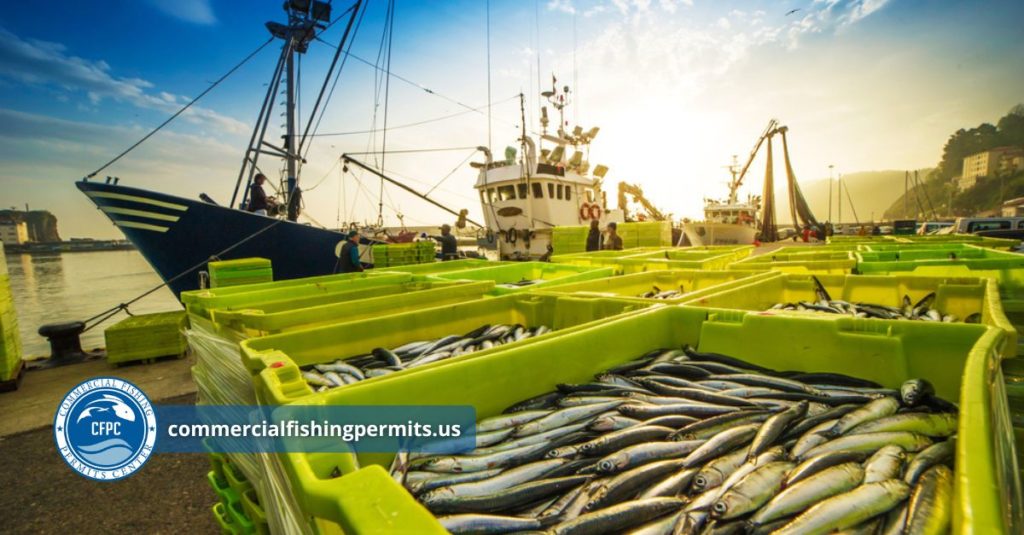
Without this structure, fish populations could decline rapidly, leading to long-term ecological and economic consequences. Our service provides access to the applications required within this system, helping users understand how federal oversight connects directly to lawful participation in regulated fisheries.
How Do Federal Fisheries Permits Support Sustainability?
Federal permits help maintain balance by:
- Limiting the number of participants in certain fisheries
- Regulate how much can be harvested within a season
- Controlling fishing methods to reduce environmental impact
- Establish clear boundaries for where fishing is allowed
By structuring access through federal fisheries permits, regulatory agencies can monitor fishing activity and adjust rules as needed. This helps preserve fish populations for future generations while supporting a stable commercial fishing industry.
You can read more about the laws regarding permits in the Federal Register.
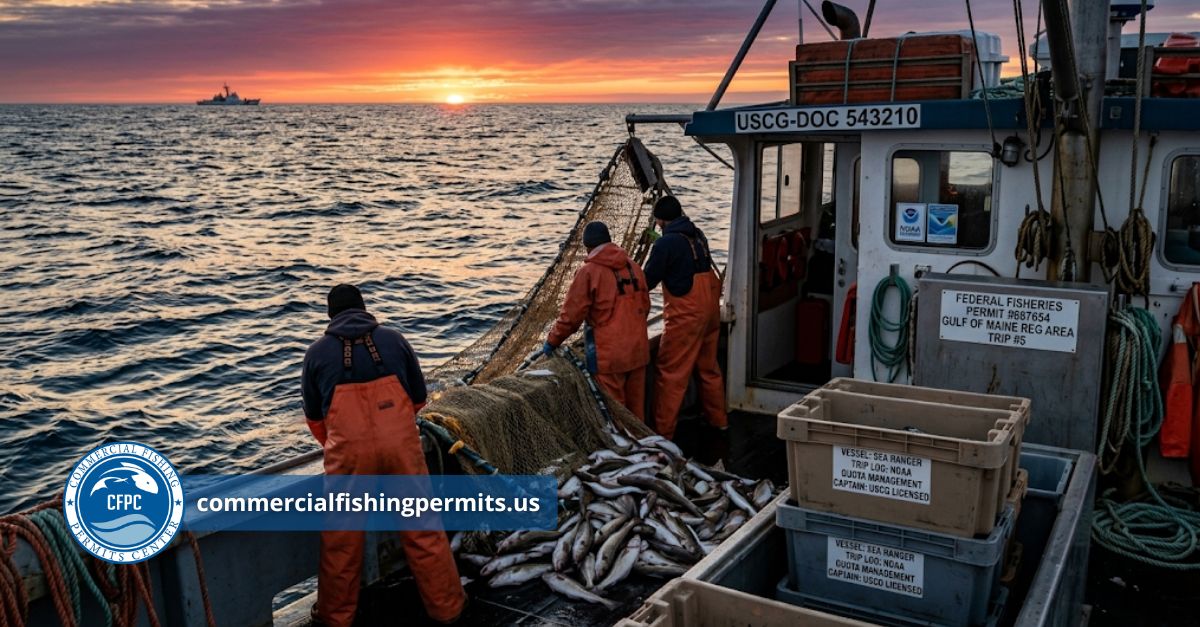
What Role Do Federal Fishing Permits Play in Regulation?
- Track participation in regulated fisheries
- Assign quotas or catch shares
- Enforce seasonal openings and closures
- Ensure compliance with federal laws
Through federal permits, authorities can enforce consistent standards across large geographic areas. Our service provides access to these application forms so users can align with federal requirements.
How Do Authorities Control Access to Fisheries?
Not every fishery is open to unlimited participation. In many cases, access is restricted to prevent overcapacity.
Federal permits allow agencies to:
- Cap the number of active participants
- Issue limited-entry permits for certain species
- Transfer or renew permits under controlled conditions
- Maintain accurate records of who is authorized to fish
This controlled access ensures that fishing pressure remains within sustainable limits. Without such measures, unrestricted entry could lead to excessive harvesting and resource depletion.
Why Is Monitoring Important in Federal Fisheries?
Permits support monitoring efforts by:
- Linking fishing activity to specific vessels or individuals
- Requiring catch reporting in many fisheries
- Supporting enforcement of regulations
- Helping agencies evaluate fish population health
With federal permits in place, regulators can gather the information needed to make informed decisions about fishery management. Our platform provides access to the documentation required to participate within this monitored system.
How Do State Fishing Permits Differ From Federal Oversight?
While federal systems regulate offshore waters, state-level systems govern activities closer to shore.
State fishing permits typically apply within state waters and are managed by individual states. These permits differ from federal fisheries permits in several ways:
- They apply to different geographic areas
- They may have distinct eligibility requirements
- They often regulate different species or gear types
- State agencies issue them instead of federal authorities.
Both systems may apply depending on where fishing occurs. Understanding this distinction helps determine which permits are required.
How Does Vessel Identification Connect to Permit Management?
USCG documentation can be relevant when:
- A vessel is used in federally regulated fisheries
- Ownership details must be verified
- Permit applications require vessel identification
By linking permits to documented vessels, authorities can track fishing activity more effectively. This structure supports enforcement and helps maintain accountability across the industry.
What Are the Consequences of Unregulated Fishing?
Without federal oversight, fisheries could face serious risks. Unregulated fishing can lead to rapid depletion of fish stocks and long-term damage to marine ecosystems.
Federal permits help prevent these outcomes by:
- Enforcing limits on harvest levels
- Restricting access to sensitive fisheries
- Supporting conservation measures
- Creating accountability for commercial operations
These controls are essential for maintaining both environmental health and the long-term viability of the fishing industry.
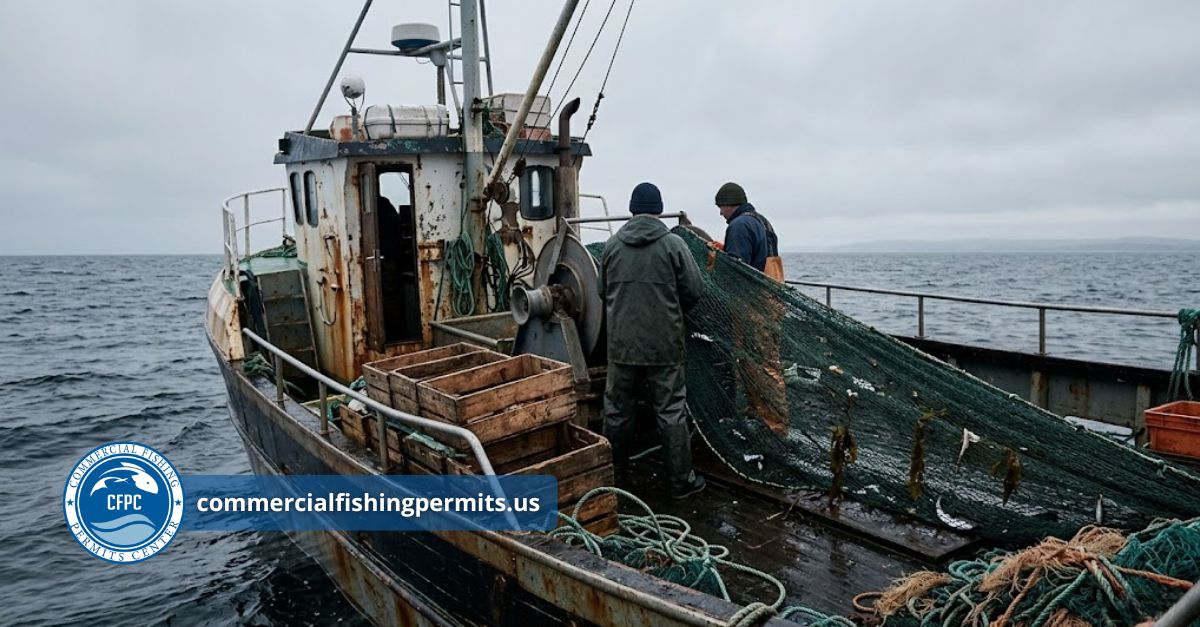
How Do Federal Fisheries Permits Affect Commercial Operations?
They may determine:
- Which species can be harvested
- Where fishing can take place
- What equipment can be used
- How much can be caught within a given period
Holding the appropriate permits is necessary to operate legally in many offshore fisheries. Our service provides access to the relevant applications so users can obtain the documentation required for their operations. If you have further questions, we offer these frequently asked questions.
Why Are Some Fisheries More Heavily Regulated Than Others?
Fisheries may have tighter controls when:
- Fish populations are at risk of overfishing
- The species has high commercial value
- The ecosystem is particularly sensitive
- There is significant demand from commercial operators
How Does the Application Process Fit Into Fisheries Management?
The application process is a big part of how authorities manage participation in fisheries. By requiring individuals and vessels to apply for permits, agencies can control entry and maintain accurate records.
Through our service, users can access:
- Federal application forms for regulated fisheries
- Documentation requirements tied to specific permits
- Structured pathways to submit the necessary information
What Should You Understand About Federal Fisheries Management?
Points to keep in mind include:
- Federal oversight applies primarily to offshore waters
- Authorities often require permits in addition to other licenses.
- Authorities may limit or control access to fisheries.
- Compliance with permit conditions is essential for lawful operation
Our service focuses on providing access to the applications needed within this system, helping users navigate the requirements tied to federal fisheries permits and maintain alignment with regulatory standards.