
A Pacific highly migratory species permits are permission authorizing a vessel to fish for highly migratory species in the Pacific Ocean. These species move over extensive areas of the ocean, crossing management boundaries and international waters. Due to their varied nature and economic significance, fisheries that target them operate under a well-defined permit system.
The major commercial markets use highly migratory species while also having an ecological role. Lack of permitting and oversight could overexploit these fisheries & cause regulatory clash. Permits establish a system that facilitates fishing while also ensuring conservation and synchronization abroad.
A professional overview of the Pacific Highly Migratory Species Permits is included in this paper. It explains what these permits cover, how they work and why they matter to commercial fishing on the West Coast. Through efficient planning of permits, operators can ensure compliance with management goals in a complex regulatory environment.
Summary of the Pacific Highly Migratory Species Permits
The Pacific Highly Migratory Species Permits allow commercial fishing for species that move long distances in the Pacific. These permits specify who may fish, how, and report. They play a crucial role in offshore and coastal Pelagic Species water fisheries.
The permit system exists to regulate entry and establish responsivity. Consistent oversight is critical because species cross different jurisdictions. Domestic fishing activity is better aligned with management strategies through permits.
Pacific Highly Migratory Species Permits are important because they foster collaboration. Data collecting, monitoring and enforcement across regions are supported This coordination preserves fish stocks and keeps markets open.
Permits provide legal certainty for operators with clear authority; vessels can operate freely within limits. Predictable rules bolster investment and long-term planning.
| Aspect | Permitted Operations | Non-Permitted Operations |
|---|---|---|
| Legal status | Authorized | Prohibited |
| Compliance confidence | High | None |
| Market access | Secure | At risk |
| Enforcement exposure | Low | Very high |
Management structure along with species coverage
Pacific Highly Migratory Species Permits cover a variety of managed species under specialized frameworks. Because of their movement patterns, these species need coordinated management.
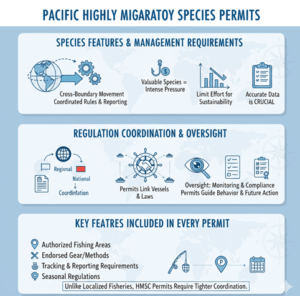
Species features and management requirements
Species that move often travel between countries or between regions. This movement must have a fixed set of rules and reporting standards. Licenses assist in collaboration.
Fishing pressure can be intense because these species are valuable. Permits are used in management systems to restrict effort and ensure sustainability having accurate data is crucial for doing the assessment.
Coordination and oversight of regulation
Management includes coordinating regional, national and sometimes even international bodies. Permits link ships with laws, as well as various sectors. The rules would be applied consistently.
Oversight refers to reporting, monitoring, and compliance. Accurate permit documents assist with assessing fishing behavior and future action.
Features included in every permit
- Trusted fishing areas.
- gear or methods which have received endorsement.
- Requirements for tracking and reporting
- Obey season-related regulations.
Pacific Highly Migratory Species Permits are unlike those used in more localized fisheries. Since these species are migratory in nature, tighter coordination is needed.
Comparing management complexities
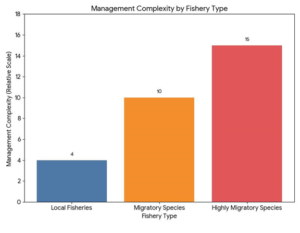
- As the migratory range of the stock increases, thus the complexity of the management, from resident to highly migratory.
- The enforcement and biological monitoring of migratory species require extensive regional coordination.
A Practical Guide for Permit Holders
To manage Pacific highly migratory species permits, you must prepare. Before each season, operators must check permit conditions. A Clear Understanding Of Requirements Minimizes Compliance Risk.
Reporting is important to be accurate. Timely data is essential for management of highly migratory species. Submitting reports after deadline or inaccurately can incur penalties and lead to your permit being revoked.
Operational planning should include seasonal cues and migratory routes. When stakeholders align their efforts with regulations, they improve efficiency and reduce conflict.
It’s equally important to keep track of updates on regulations. The management measures may change following stock assessment. Being aware helps you adjust.
Best practices that are helpful include
- Periodically analyze permission provisions.
- Please submit all required reports accurately and on time.
- Keep an eye on regulatory bulletins.
- Schedule operations depending on the seasons.
These methods back legal fishing.
Why Does Conclusion Matter For Pacific Highly Migratory Species Permit?
The Pacific Highly Migratory Species Permits manage some of the most commercially important and widely distributed fisheries of the Pacific Ocean. They furnish the framework essential for harmonizing economic prospects with conservation and global collaboration.
Permits provide legal clarity and stable access for fishers. Commercial Fishing Permits Center They aid in tracking, gathering of data, and sustainable choices. They assist in guaranteeing that seafood is dependable and responsible.
“Operators who fathom permit requirements and best practices can be confident participants in the fisheries.” West Coast commercial fisheries rely on Pacific Highly Migratory Species Permits for their ongoing success in the long-term.
No Comments
Be the first to start a conversation